

Taste and Odor:
Chlorine often gives tap water a strong swimming pool-like smell or a sharp, chemical taste.
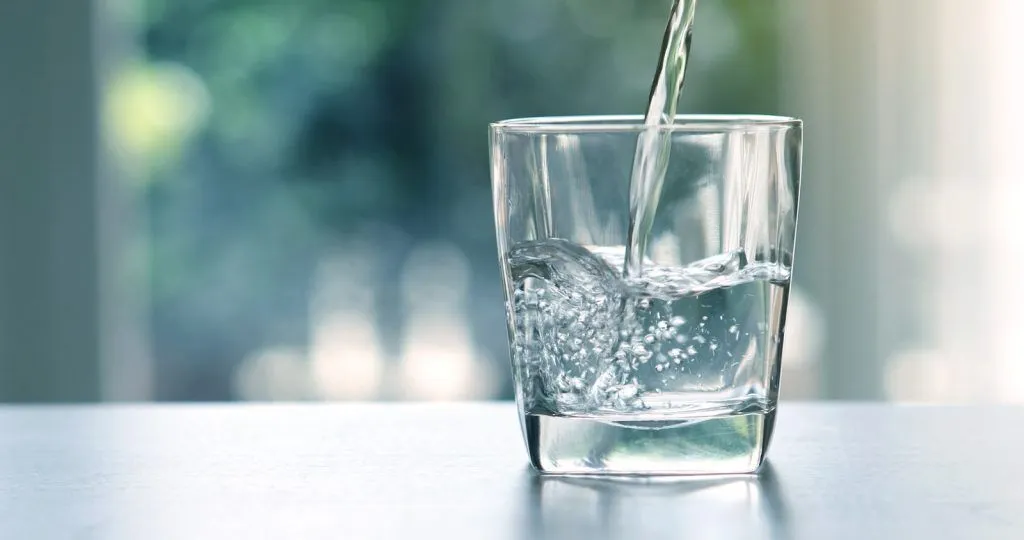
Have you ever poured yourself a glass of water only to notice a strong chlorine smell or a sharp, chemical taste? If so, you’re not alone. Many households across the U.S. experience chlorine in tap water. While chlorine is widely used to disinfect public water supplies, its presence at your faucet can raise questions about taste, safety, and long-term effects.
Chlorine is one of the most common water treatment chemicals, but that doesn’t mean you have to live with its side effects. In this guide, we’ll explain why chlorine is added to drinking water, what it can do to your home and health, and most importantly, how to get rid of it so you can enjoy clean, fresh-tasting water every day.
Chlorine treatment in water has been a cornerstone of modern public health for more than 100 years. It was first introduced in the early 1900s to combat dangerous waterborne diseases such as typhoid and cholera. Today, it remains one of the most reliable disinfectants available. It’s capable of killing bacteria, viruses, and parasites that would otherwise spread through water systems.
Municipal water providers add chlorine not only to disinfect, but also to maintain what’s called a “residual level” of chlorine. This residual level of chlorine is enough to keep water safe as it travels miles of piping before reaching your home.
According to the CDC, chlorine levels in municipal water are regulated and generally considered safe at concentrations up to 4 milligrams per liter. That doesn’t mean you won’t notice it, though. Even at safe levels, chlorine can affect how your water smells, tastes, and feels.
This raises the natural question: Is chlorine in water bad for you, or just unpleasant?

In small amounts within CDC-approved limits, chlorine in tap water is not considered a health hazard. Its role in preventing disease is well established. Still, chlorine can have several unwanted effects in your home and daily life.
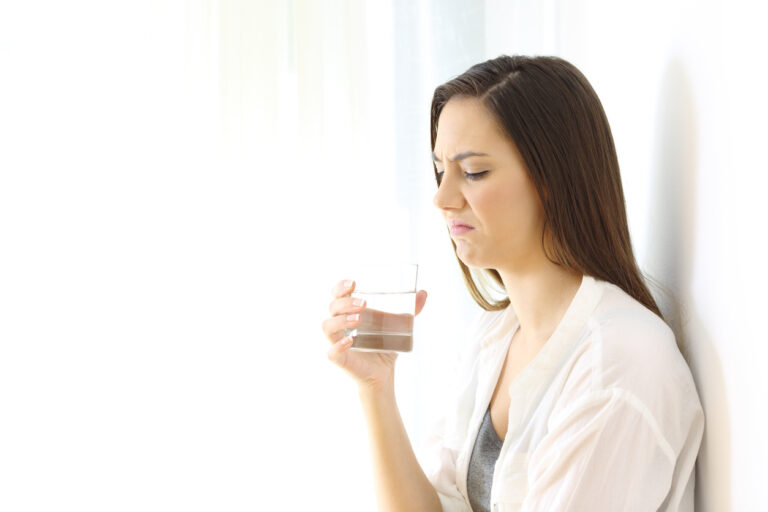
Chlorine often gives tap water a strong swimming pool-like smell or a sharp, chemical taste.
Showering or bathing in chlorinated water can dry out your skin, worsen certain skin conditions, and leave hair brittle, faded, or frizzy.

A primary indirect concern is the formation of disinfection byproducts (DBPs). These chemicals, including trihalomethanes (THMs) and haloacetic acids (HAAs), are created when chlorine interacts with trace amounts of organic material in water. Although these byproducts are regulated, their continuous presence in drinking water leads to questions about long-term health safety.
 Activated Carbon Filtration:
 Reverse Osmosis Systems:
 Whole-Home Filtration Systems:
 Shower Filters:
Natural Dissipation:
If you suspect chlorine is affecting your water, here’s a practical step-by-step approach to addressing the issue:
Following these steps helps you move beyond temporary fixes and enjoy consistently fresh-tasting, healthier water.