
Nitrate Water Filtration Systems for Michigan Homes
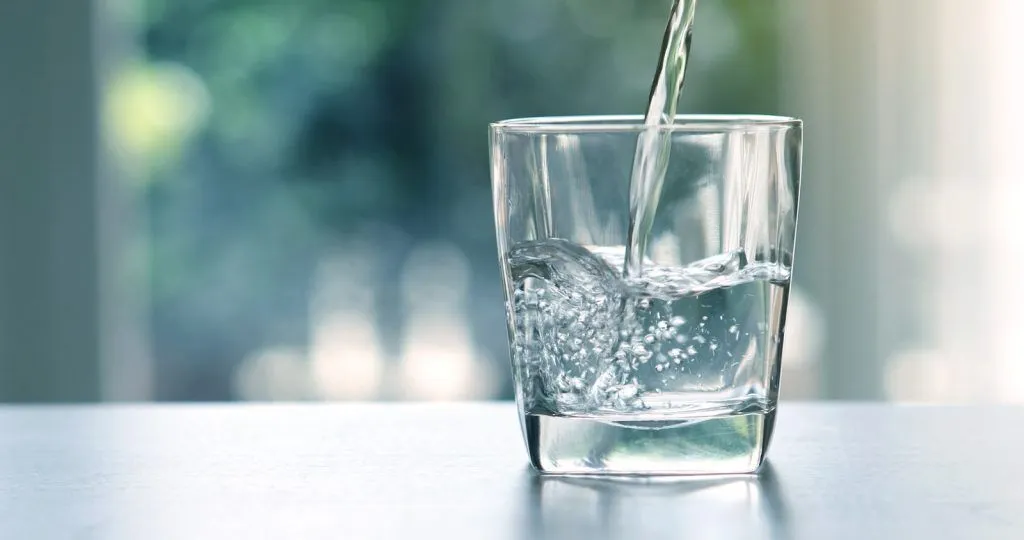
Nitrates can enter groundwater from fertilizers, septic systems, animal waste, runoff, and decaying organic matter. Because nitrate has no color, taste, or odor, water can look and taste normal even when the level is elevated.
Besco Water Treatment helps Michigan homeowners understand their water test results and choose a reverse osmosis system designed to reduce nitrates in drinking water. Whether your water comes from a private well or a municipal system, accurate testing is the first step toward the right treatment. If you’re ready to test your water for nitrates, or need your existing nitrate removal equipment serviced, call Besco Water Treatment or contact us online.
What Are Nitrates, and How Do They Get Into Water?
Nitrate is a form of nitrogen found naturally in soil and water. Human activity can raise nitrate levels when fertilizers, manure, wastewater, or septic discharge move through the soil and into groundwater.
Private wells may be more vulnerable when they are shallow, damaged, near farmland or septic systems, or affected by flooding and runoff. Nitrate can also be present in public water supplies, although municipal systems are routinely monitored and must meet federal drinking water standards.
Nitrate is one of several common water problems that cannot be diagnosed by appearance alone. A certified laboratory test is the only dependable way to learn how much nitrate is in your water.
Is Nitrate in Drinking Water a Health Risk?
Michigan health guidance identifies elevated nitrate as most dangerous for infants younger than six months. The body can convert nitrate to nitrite, which interferes with the blood’s ability to carry oxygen. In infants, this can cause methemoglobinemia, commonly called blue baby syndrome. Pregnant people and individuals with certain medical conditions may also face greater risk.
The federal maximum contaminant level is 10 milligrams per liter for nitrate measured as nitrogen and 1 milligram per liter for nitrite measured as nitrogen. Michigan health guidance recommends using a safe alternative water supply for drinking, cooking, and preparing infant formula when a test exceeds the applicable limit. Boiling is not a solution; as water evaporates, the nitrate becomes more concentrated.
If a result exceeds a drinking water limit, stop using the affected water for consumption and contact your local health department or qualified water professional. Continue using safe alternative water until treatment has been installed and follow-up testing confirms that the treated water is suitable to drink.
Test Your Water Before Choosing Nitrate Treatment
You cannot determine the nitrate level from stains, odors, taste, or water clarity. Treatment decisions should be based on results from a state-certified drinking water laboratory.
The CDC recommends that private well owners test for nitrate at least once each year. Additional testing is wise after flooding, well repairs, changes near the well, or when an infant or pregnant person will be drinking the water. Municipal water customers can review their utility’s annual Consumer Confidence Report and order a certified tap-water test if they have a specific concern.
Besco can help you plan the next steps, interpret the results in the context of your home, and determine whether an RO system is appropriate. Begin with a professional water test from Besco. We’ll analyze your results and recommend next steps accordingly.
How to Remove Nitrates From Water
When a certified laboratory test finds elevated nitrate, Besco recommends a reverse osmosis system designed and verified for nitrate reduction. The system forces water through a semipermeable membrane that reduces nitrate and other dissolved substances before the treated water reaches the tap.
Not every RO unit provides the same level of protection. The appropriate system should be selected based on the nitrate concentration, water pressure, overall water chemistry, and the amount of treated water your household needs. Besco supplies, installs, maintains, and repairs residential reverse osmosis systems for Michigan homes.
-
How to Remove Nitrates From Drinking Water
For drinking water, treatment is commonly installed at a designated point of use, such as the kitchen sink. This concentrates treatment on the water your family drinks, cooks with, and uses to prepare beverages or infant formula. Depending on the home’s plumbing and system configuration, treated water may also be supplied to a refrigerator or ice maker.
After installation, have the treated water tested by a certified laboratory. If the untreated water exceeds the nitrate limit, continue using a safe alternative supply until testing confirms that the new system is reducing nitrate as intended.
-
How to Remove Nitrates From Well Water
Removing nitrates from well water begins with an accurate laboratory result. Nitrate levels can change because of rainfall, flooding, fertilizer use, groundwater movement, or other activity near the well, so an older test may not reflect current conditions.
The well’s broader water chemistry must also be considered when selecting and configuring treatment. Besco can evaluate the complete results, determine the household’s treated-water needs, and recommend an appropriate system. Continue testing the untreated and treated water according to the schedule recommended by your laboratory, local health department, or water treatment professional.
Do Water Filters Remove Nitrates?
Most common household filters do not reduce nitrate. Sediment filters capture particles, and many carbon filters improve taste or reduce certain chemicals, but those functions do not demonstrate nitrate removal. Refrigerator filters, faucet filters, and filter pitchers should not be assumed to treat nitrate unless their performance information specifically includes nitrate reduction.
Conventional water softeners are designed to reduce hardness minerals, not nitrate. Ultraviolet systems address microorganisms and do not remove dissolved nitrate. Boiling water also does not remove it and can increase the nitrate concentration.
For reliable nitrate reduction, use a reverse osmosis system with performance verified for that purpose. Then confirm the result by testing the treated water rather than relying on taste, appearance, or a general product claim.
Maintaining a Nitrate-Reduction RO System
An RO system can only provide dependable treatment when it is maintained correctly. Prefilters, postfilters, and the membrane must be replaced according to the manufacturer’s instructions and the conditions in your home. Delayed maintenance, pressure problems, damaged components, or an exhausted membrane can reduce performance.
Besco can maintain and repair the system, but laboratory testing remains the best way to verify nitrate reduction. Test after installation and continue periodic testing, especially if the untreated nitrate level is near or above the drinking water limit.
Why Choose Besco for Nitrate Water Treatment?
Nitrate treatment is not a one-size-fits-all purchase. Besco combines decades of Michigan water treatment experience with careful testing guidance, professional installation, and ongoing support.
Our team will help you understand what the laboratory result means, select an RO system suited to your water and household needs, install it correctly, and explain its maintenance requirements. If the equipment needs service later, you have a local team to call.

Nitrates in Water FAQs
-
Can nitrate be found in city water as well as well water?
Yes. Nitrate can be present in either source. Public water systems monitor nitrate and must meet federal standards, while private well owners are responsible for arranging their own testing. If you use city water and have a concern, review your utility’s Consumer Confidence Report or request a certified tap-water test.
-
Do reverse osmosis systems remove all nitrates?
No system should be assumed to remove 100% of nitrate. A properly selected and maintained RO system can substantially reduce nitrate, but performance varies by model and water conditions. Choose equipment with verified nitrate-reduction performance and test the treated water to confirm the result.
-
Does a water softener remove nitrates?
A conventional residential water softener reduces calcium and magnesium that cause hardness. It is not designed for nitrate removal. Besco recommends a properly selected reverse osmosis system when a certified lab test shows nitrate in drinking water.
-
Can I boil water to remove nitrates?
No. Boiling does not remove nitrate. It evaporates some of the water and can leave a higher nitrate concentration behind. If your water exceeds the nitrate limit, use a safe alternative supply until an appropriate RO system is installed and treated-water testing confirms its performance.
-
How often should I test well water for nitrates?
Test a private well for nitrate at least once a year. Test again after flooding or well repairs, when nearby land use changes, or before an infant or pregnant person begins drinking the water. Follow any additional guidance from your laboratory or local health department.
Get Clear Answers About Nitrates in Your Water
Nitrate cannot be seen, smelled, or tasted, but it can be measured and reduced. Start with a certified laboratory result. Besco will help you understand the findings and recommend a reverse osmosis system designed for your home’s drinking water.
Contact Besco today to discuss water treatment for nitrate removal or schedule a water analysis.