

Lead in Water: Testing and Removal
Lead is a toxic metal that can enter drinking water when lead-containing pipes, solder, faucets, or other plumbing components corrode. It is a potential concern for homeowners who rely on municipal water and private wells alike, and it cannot reliably be detected by sight, taste, or smell.
At Besco Water Treatment, we help Michigan homeowners understand their water quality concerns and select appropriate treatment options. If you are concerned about lead, contact our team to discuss lead-specific testing and your options for lead filtration.
Signs of Lead in Water and When to Consider Testing
There are no reliable sensory signs of lead in water. Clear, normal-tasting water can still contain lead, so your home’s plumbing history and water-supply information are more useful starting points.
Michigan communities are identifying and replacing lead service lines. Homeowners can check resources such as Battle Creek’s service-line inventory and Grand Rapids’ lead water service-line map to learn what material may connect their home to the water main. If you live in Mason, Muskegon, or another Michigan community, ask your water utility about the records for your address.
Consider reaching out to us for lead testing when:
- Your home has a known or suspected lead service line (the pipe connecting it to the public water main)
- You have older plumbing, which sometimes contains lead
- Your utility or local health department issued a lead-related notice
- Your water service line or older plumbing was recently repaired or replaced, which can loosen lead-containing particles
These circumstances do not confirm contamination, but they are reasons to schedule a water test.
Why Remove Lead From Your Water?
Lead in drinking water can harm your health, even at low exposure levels. Ingesting lead can cause health effects including:
- Damage to the brain and nervous system, particularly in children.
- Learning, behavior, and growth problems in children.
- Slower growth and hearing problems in children.
- Increased blood pressure and reduced kidney function in adults.
- Impaired fetal growth and increased risk of premature birth when exposure occurs during pregnancy.
These effects are described in the EPA’s lead health guidance. Reducing lead in drinking and cooking water helps limit your household’s exposure.
Lead exposure may occur without obvious symptoms, so do not wait for someone to feel ill before addressing a known water concern. If you are worried about exposure, a healthcare professional can help determine whether blood lead testing is appropriate.
How Besco Tests Water for Lead
If you are concerned about lead, contact Besco and request lead-specific analysis. We’ll discuss your concerns, explain the testing options and any applicable fee, and provide instructions for preparing for sample collection.
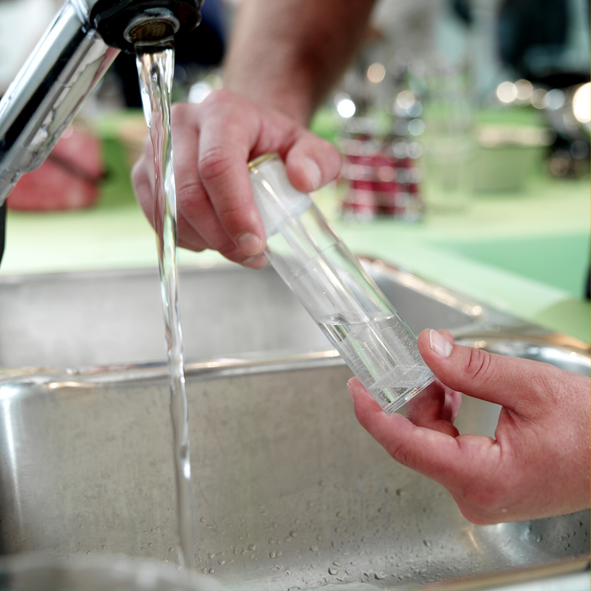
On the day of your water test, one of our technicians will collect samples and submit them for laboratory analysis to measure the water’s lead concentration. Once we get your results, our team will explain them. If lead is detected, we can help you evaluate a drinking-water filtration system with verified lead-reduction performance and discuss follow-up testing.
Reverse Osmosis for Lead Reduction
Besco offers reverse osmosis systems that can reduce lead in drinking water. These systems push water through a membrane that separates lead and other contaminants from the treated water. Installed at a kitchen drinking-water faucet, an RO system supplies filtered water for drinking, cooking, and preparing beverages.
Our team reviews your water-test results and recommends a system with verified lead-reduction performance. Learn more about our residential reverse osmosis systems, including professional installation, maintenance, and repairs.
Lead Water Treatment FAQs
-
Does water filtration remove lead?
Yes, water filtration can reduce lead when the system is specifically designed and certified for lead reduction. Not every filter removes lead, so a filter that improves taste or reduces chlorine may not address it. Besco can help you select an appropriate system and explain the maintenance needed to keep it working properly.
-
What should I do if I suspect lead in my water?
If you suspect lead in your water, arrange lead-specific testing and take steps to reduce exposure while the concern is investigated. Use a properly maintained filter certified for lead reduction or an appropriate alternative, such as bottled water, for drinking, cooking, and preparing infant formula. Use cold water when filtering tap water, and follow any instructions from your utility or local health department. Michigan’s lead guidance explains these precautions.
-
Does boiling water remove lead?
No, boiling water does not remove lead. As water evaporates, the lead remains and can become more concentrated. Use treatment specifically designed to reduce lead rather than boiling.
-
Do refrigerator and pitcher filters remove lead?
Some refrigerator and pitcher filters reduce lead, but others do not. Check the exact cartridge’s packaging or performance sheet for a certification specifically covering lead reduction. Replace the cartridge on schedule to maintain its performance.
-
Can private-well water contain lead?
Yes, private-well water can contain lead. Lead may enter the water through lead-containing plumbing, fixtures, or well-system components. A private well does not rule out lead exposure, so testing is the way to determine whether lead is present.
-
Does replacing a lead service line eliminate every possible source of lead?
No, replacing a lead service line does not eliminate every possible source of lead. Lead-containing solder, faucets, or other plumbing components may remain inside the home. Follow your utility’s instructions for flushing, filtration, and testing after the line is replaced.
-
When should I retest my water for lead?
Consider retesting after installing a lead-reduction system, replacing a service line, or completing work on plumbing that may contain lead. Follow-up testing may also be appropriate after an earlier result detected lead. Ask the laboratory, utility, or local health department when to collect the sample and which collection instructions to follow.
Discuss Lead Testing and Filtration With Besco
If you suspect you have lead in your water, Besco can help you discuss lead-testing needs, understand your results, and evaluate drinking-water treatment options for your Michigan home. Contact Besco Water Treatment to get started. For help understanding other concerns in your household supply, explore our guide to common water problems.